Beginner Knitting Projects: 7 Inspiring Ideas to Start Today
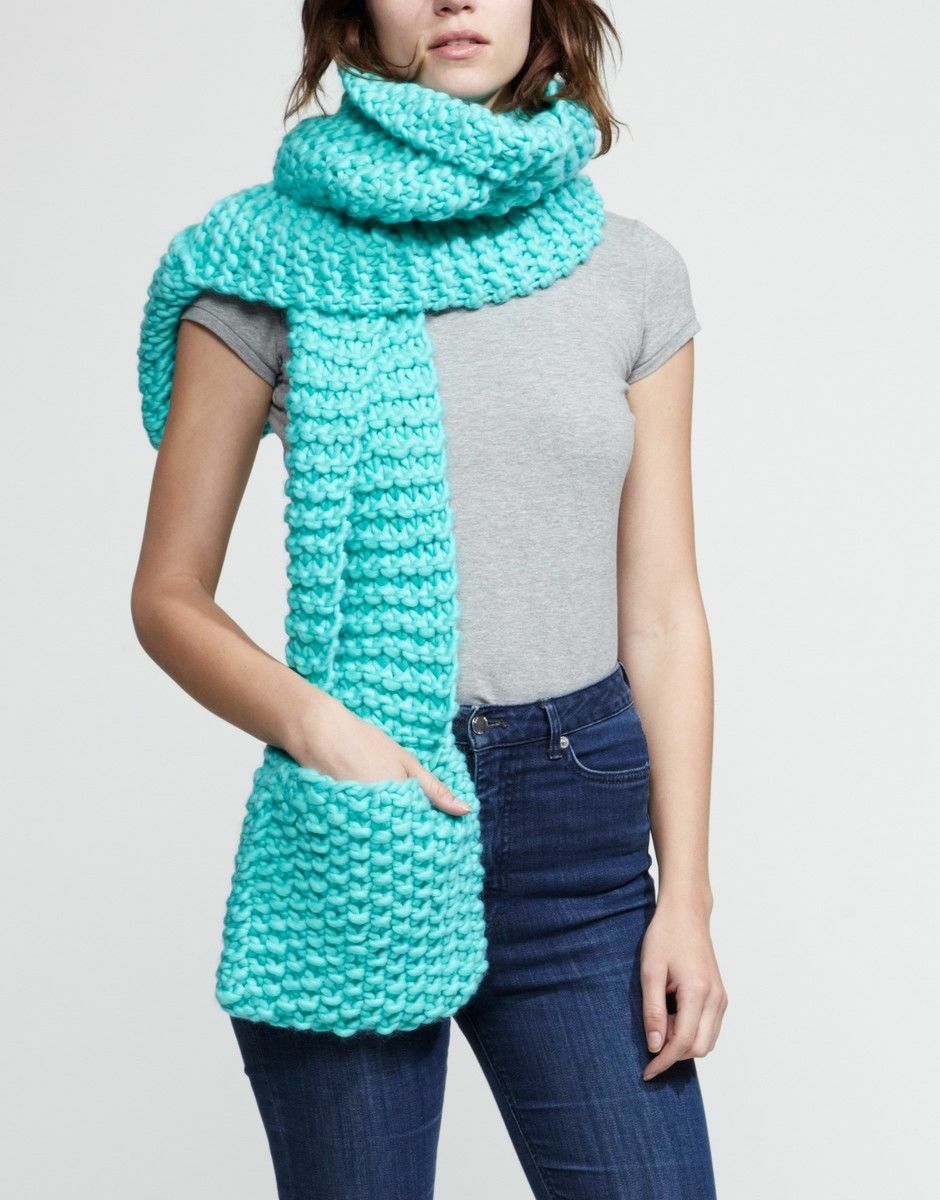
Above: The Jolly Pocket Scarf - a VERY SIMPLE and fun to knit Beginner Knitter Project
Stepping into the world of knitting opens a realm of creative possibility, tactile satisfaction, and meditative rhythm. The initial stitches you cast onto needles mark the beginning of a journey that transforms simple fiber into functional art. For those seeking beginner knitting projects that balance accessibility with aesthetic reward, the path forward need not feel daunting. Instead, it can sparkle with inspiration.
Selecting the right inaugural projects sets the foundation for developing solid technique while maintaining enthusiasm. The beauty of working with luxury fibers from the start cannot be overstated—quality yarns glide smoothly through your fingers, forgiving minor tension inconsistencies while producing results that genuinely delight. When your first creations utilize hand-dyed, small-batch yarns in sumptuous colorways, each stitch becomes an exercise in artistic expression rather than mere repetition.
Why Begin with Thoughtfully Chosen Projects
The trajectory of your knitting education depends significantly on early choices. Beginner knitting projects should introduce fundamental techniques without overwhelming complexity, yet they must also captivate your imagination enough to sustain motivation through the learning curve. A simple garter stitch dishcloth executed in exquisite merino carries more pedagogical value than an ambitious sweater abandoned halfway through.
Understanding fiber characteristics early develops your tactile literacy. When you work with hand-painted yarns, you observe how color pools and migrates across fabric. Specialty fibers teach you about drape, memory, and bloom. This sensory education proves invaluable as your skills progress toward more ambitious undertakings.
Essential Preparations Before Casting On
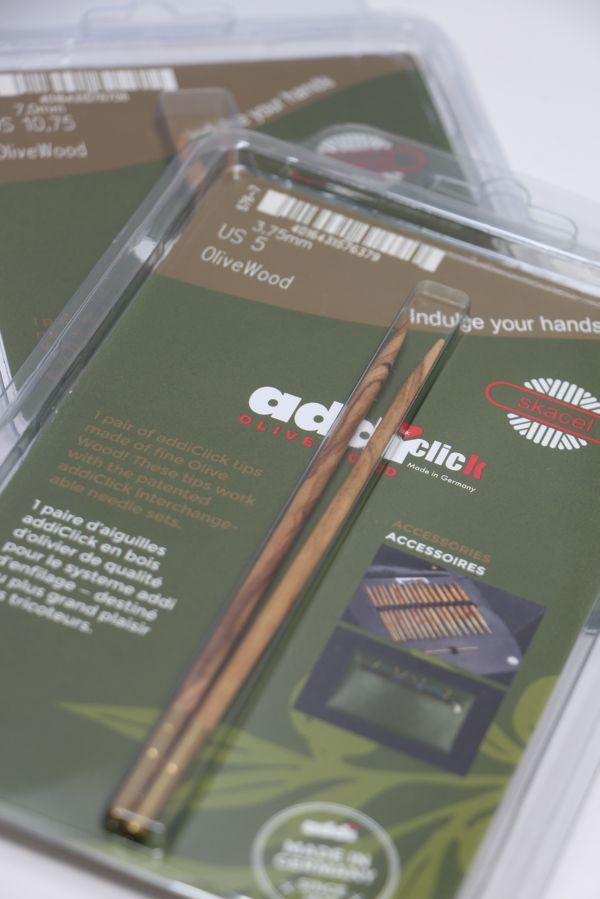
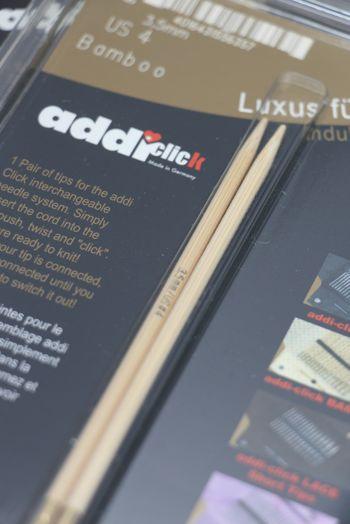
Assembling quality tools elevates the entire experience. Bamboo needles offer gentle grip ideal for nascent knitters, preventing stitches from sliding unexpectedly. Invest in a proper project bag to keep work protected and portable. Consider stitch markers, a tapestry needle for weaving ends, and small scissors as fundamental components of your kit.
Gauge matters even in beginner work. Swatching might seem tedious, but this practice establishes crucial habits. Block your swatches to witness how water and steam transform knitted fabric, revealing its true character and dimensions.
Seven Inspiring Beginner Knitting Projects
1. The Meditative Cowl
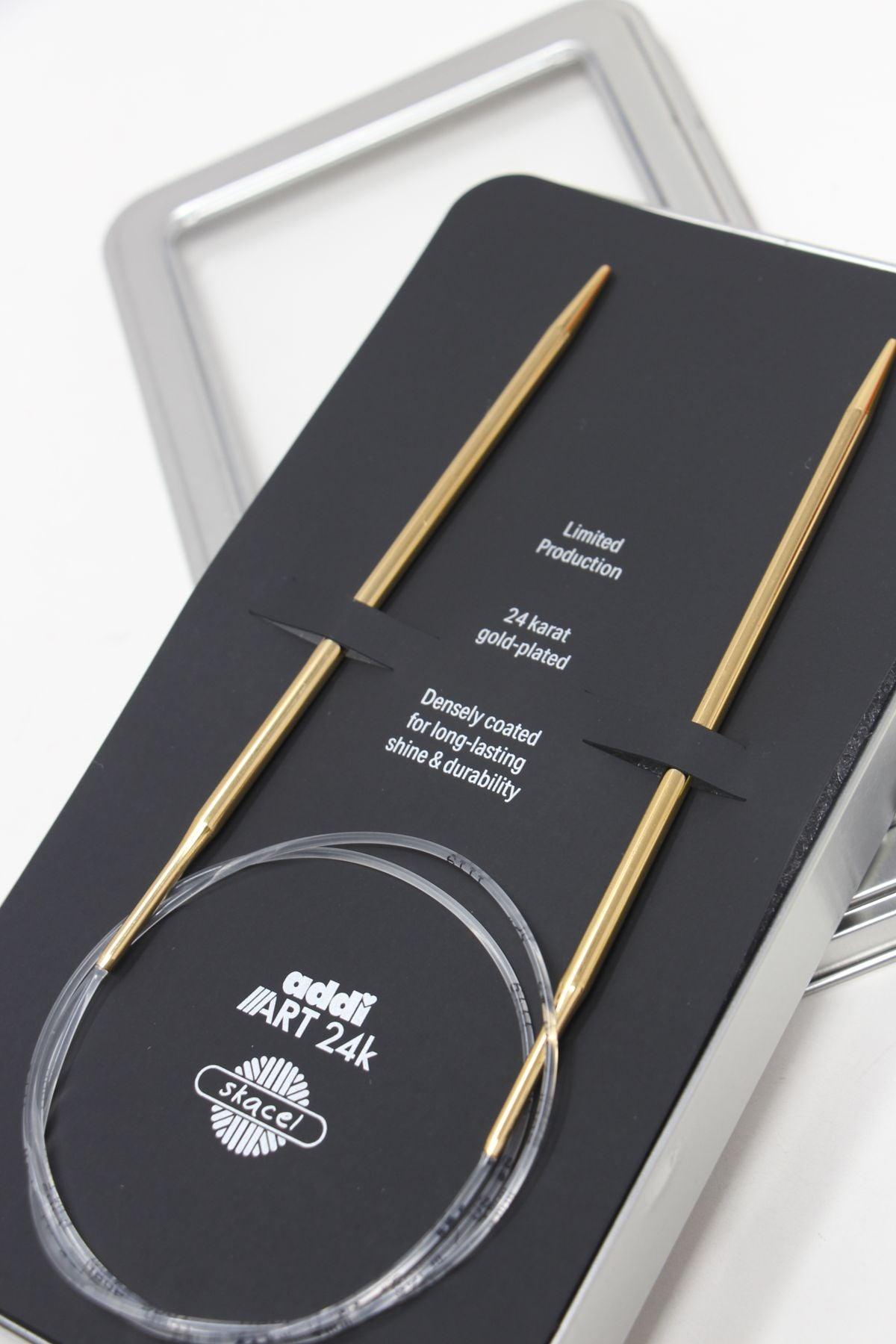
Circular knitting on appropriately sized needles produces a seamless cowl—a gratifying introduction to working in the round. Choose a bulky-weight hand-dyed yarn in variegated tones that create visual interest without pattern complexity. Cast on approximately 80 stitches using size 10 or 11 circular needles, then knit every round until the piece measures 10-12 inches in height.
This project teaches continuous knitting without purling, introduces circular needles, and results in an immediately wearable accessory. The absence of wrong-side rows simplifies the learning process while the generous gauge makes progress visible and encouraging.
2. Textured Dishcloths in Cotton Blends
Often dismissed as prosaic, dishcloths offer exceptional pedagogical value. They require modest yardage, finish quickly, and provide practical utility. Experiment with simple texture patterns—alternating knit and purl stitches create basketweave or seed stitch variations that build skill without intimidation.
Select organic cotton blends with slight fiber halos that showcase stitch definition. The rectangular format forgives dimensional irregularities while teaching consistent tension and edge management. Complete several in succession, observing your technical evolution across multiple iterations.
3. Infinity Scarf with Luxurious Fingering Weight
Fingering weight yarn worked on larger needles produces ethereal, lacy fabric with surprising rapidity. Cast on 40-50 stitches using size 8 needles, then knit in garter stitch until the scarf measures approximately 60 inches. Seam the ends to create an infinity configuration.
This project introduces working with finer yarns while the oversized needles maintain approachable gauge. Hand-painted fingering weight in tonal gradients creates sophisticated results that belie the pattern's simplicity. The generous length provides ample opportunity to establish rhythm and consistency.
4. Simple Beanie in Worsted Weight
A basic hat introduces shaping techniques through decreases while remaining geometrically straightforward. Using worsted weight wool and size 7 circular needles (16-inch), cast on 88 stitches. Work in stockinette or ribbing for 7-8 inches before beginning crown decreases.
Decreasing stitches at regular intervals creates the characteristic taper. This project builds confidence with double-pointed needles or magic loop technique as circumference diminishes. Choose semi-solid colorways that highlight stitch uniformity rather than obscuring inconsistencies.
5. Textured Headband with Cables
Cables appear complex but rely on simple stitch manipulation. A headband offers the perfect canvas for introductory cable work—modest width contains the pattern within manageable scope while the circular nature eliminates seaming.
Cast on 12-16 stitches using worsted weight yarn and size 7 needles. Incorporate a basic four-stitch cable flanked by reverse stockinette. Work until the band comfortably circles your head, then graft ends using Kitchener stitch. This project demystifies cables while introducing finishing techniques that create polished results.
6. Fingerless Mitts for Gauge Practice
Fingerless mitts combine flat knitting with minimal shaping, introducing the concept of working around a hand's contours. They require attention to gauge for proper fit while remaining forgiving in structure.
Work flat pieces in stockinette or simple rib patterns, leaving thumb openings by binding off several stitches mid-row then casting on the same number in the following row. Seam the sides, leaving appropriate openings for thumbs and fingers. The paired nature provides built-in practice—your second mitt will demonstrate measurable improvement over the first.
7. Market Bag in Sturdy Plant Fibers
A utilitarian market bag introduces the satisfying challenge of creating functional three-dimensional objects. Using cotton or linen blends in DK or worsted weight, work a simple rectangular base then continue upward for the body.
"The most profound learning occurs when beauty and utility converge in your hands, when luxury fibers transform into objects that enrich daily life."
Incorporate handles by picking up stitches or knitting separate straps then seaming them securely. This project teaches construction logic, weight distribution considerations, and the importance of durable fiber selection for specific applications.
Selecting Yarns that Inspire Excellence
Fiber choice profoundly influences both process enjoyment and outcome quality. Superwash merino offers forgiving elasticity and machine-washable practicality. Alpaca blends provide extraordinary warmth with featherweight luxury. Silk-merino combinations contribute lustrous sheen and elegant drape.
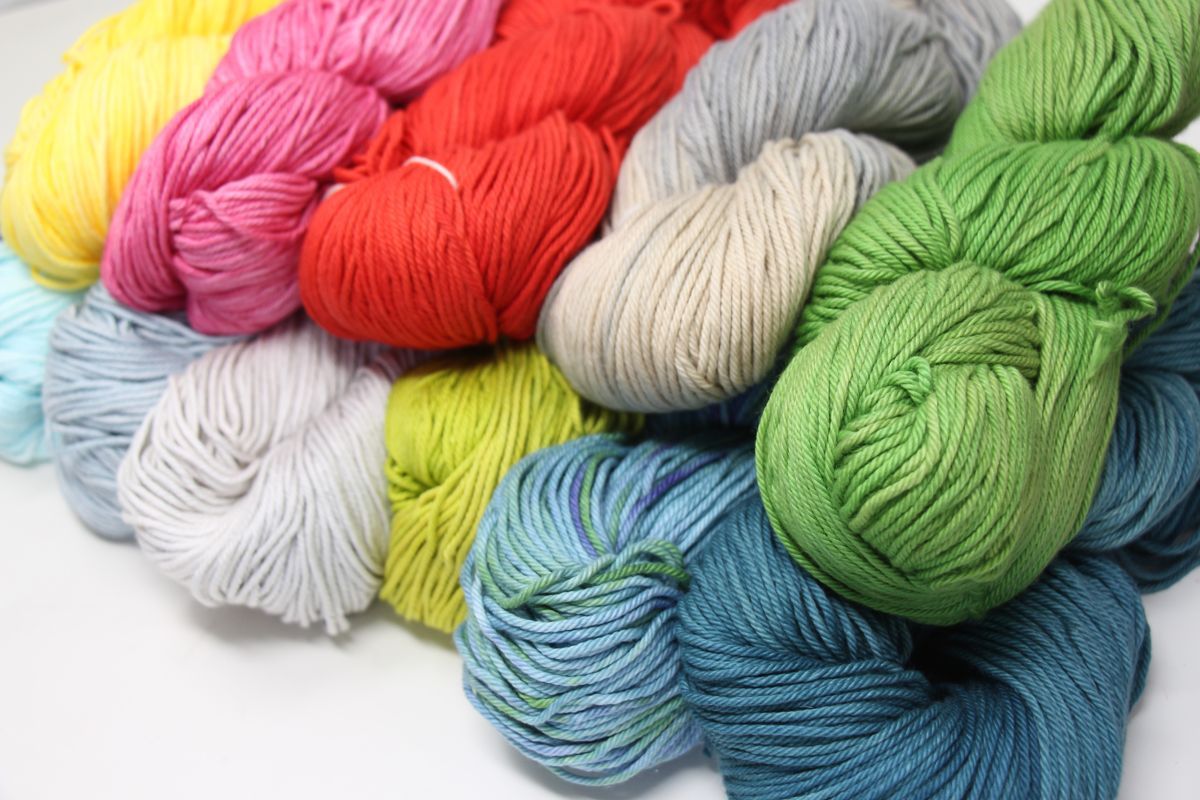
Hand-painted yarns from small-batch artisans carry unique character impossible to replicate industrially. Each skein represents individual artistic vision, transforming your beginner knitting projects into collaborative creations between dyer and knitter. These specialized fibers deserve equally specialized sourcing—independent retailers offering curated selections ensure quality control and expert guidance.
| Fiber Type | Ideal Projects | Key Characteristics |
|---|---|---|
| Merino Wool | Cowls, hats, scarves | Soft, elastic, temperature-regulating |
| Cotton Blends | Dishcloths, market bags | Durable, absorbent, minimal stretch |
| Alpaca Blends | Infinity scarves, headbands | Warm, lightweight, hypoallergenic |
| Silk-Merino | Fingerless mitts, shawls | Lustrous, strong, elegant drape |
Navigating Common Beginner Challenges
Tension irregularity plagues most novices. Rather than gripping needles desperately, maintain relaxed hands and allow yarn to flow naturally. Practice reveals that consistent gauge emerges from rhythm rather than force.
Twisted stitches occasionally appear when you fail to enter stitches from the correct direction. Ensure your working yarn approaches from behind when knitting, from front when purling. Examine your stitches between rows—they should sit uniformly on the needle without crossed legs.
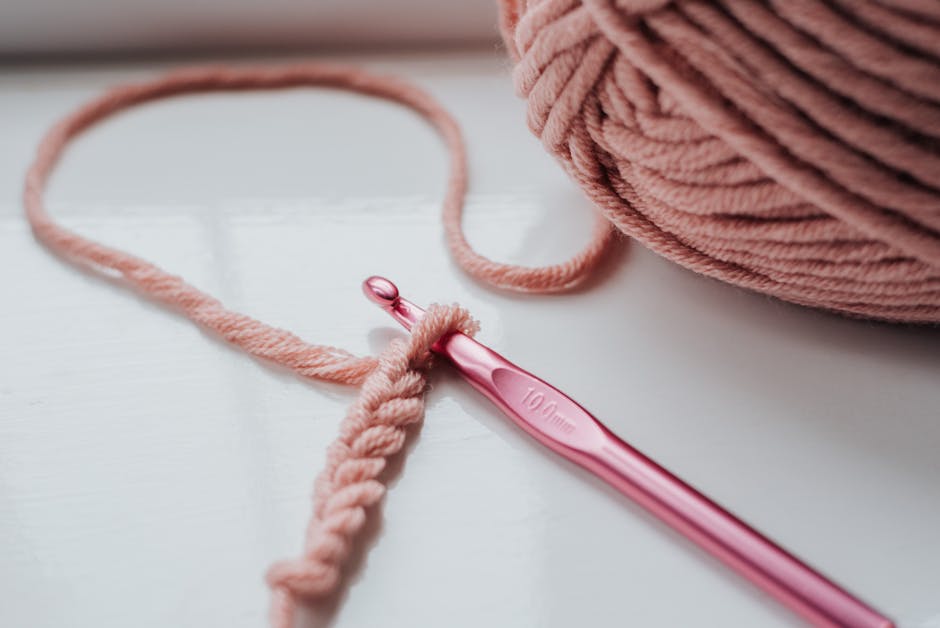
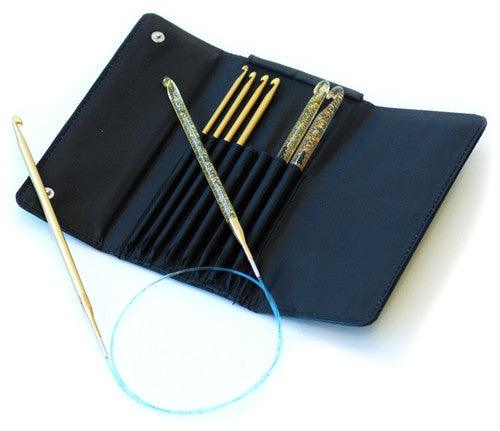
Dropped stitches need not trigger panic. A crochet hook serves as rescue tool, drawing the loose stitch upward through successive rows until safely returned to the needle. Keep such implements readily accessible within your project bag.
Frequently Asked Questions About Beginning Your Knitting Journey
How Much Yarn Do Beginner Knitting Projects Typically Require?
Quantity varies by project scale and yarn weight. Dishcloths consume 50-100 yards of worsted weight. Cowls require 150-250 yards of bulky fiber. Infinity scarves demand 300-400 yards of fingering weight. Always purchase slightly more than pattern specifications suggest—running short near completion proves frustrating, and extra yardage permits generous swatching.
Should Beginners Work with Inexpensive Yarn Initially?
Counterintuitively, quality fibers accelerate learning. Budget acrylics often split, squeak, and feel unpleasant during extended work sessions. Hand-dyed merino or silk blends glide smoothly, maintain stitch definition, and produce results you'll genuinely want to wear. The sensory pleasure of working with luxury fibers sustains motivation through challenging learning phases.
What Distinguishes Hand-Dyed from Commercial Yarns?
Artisan dyers apply color in small batches, creating unrepeatable variations within each skein. The hand-painting process produces organic color transitions and depth impossible with industrial methods. These specialty yarns often utilize premium base fibers—single-origin wools, rare breeds, or exceptional blends unavailable in mass-market products.
Advancing Beyond Initial Projects
As foundational skills solidify, your project ambitions naturally expand. The discipline learned through beginner knitting projects—reading patterns, maintaining gauge, executing clean finishes—transfers seamlessly to intermediate challenges. Consider graduated learning: follow simple accessories with garment components like shawls or vests before attempting full sweaters.
Document your progression photographically. Visual records reveal technical growth that daily incremental progress obscures. Revisit early projects periodically, noting how your contemporary work demonstrates refined tension, neater edges, and more confident execution.
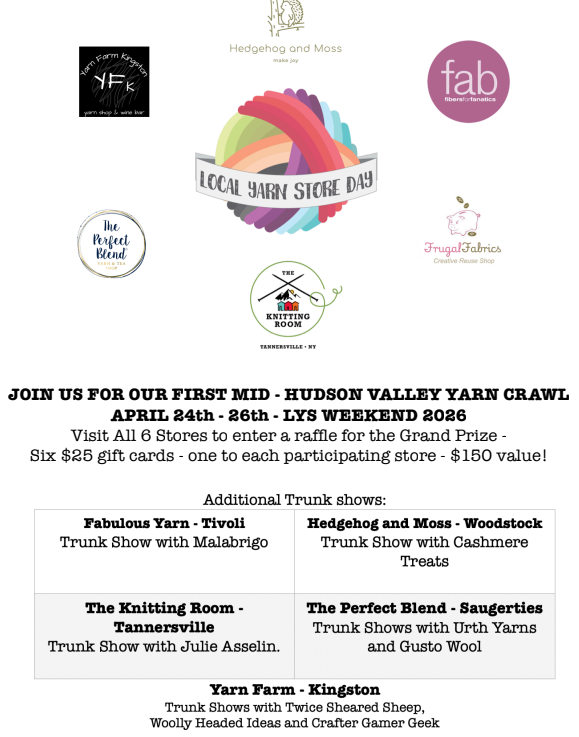
Engage with knitting communities both locally and digitally. Fellow fiber artisans offer troubleshooting assistance, pattern recommendations, and encouragement during challenging passages. Independent yarn retailers frequently host knitting circles, workshops, and trunk shows that deepen technical knowledge while fostering creative connections.
The Continuing Education of a Fiber Artisan
Knitting mastery unfolds gradually across years of dedicated practice. Each completed project contributes specific lessons—colorwork teaches strand management, lace introduces yarn-overs and strategic decreases, cables develop three-dimensional fabric manipulation skills. Approach this education with patience and curiosity rather than urgency.
Specialty tools and accessories accumulate as your practice evolves. Interchangeable needle sets provide flexibility across projects. Blocking wires transform lace into geometric precision. Swift and ball winder convert hanks into cake formations that feed smoothly during work.
Access to expert service proves invaluable throughout your journey. Whether troubleshooting a perplexing pattern instruction or seeking fiber recommendations for specific projects, responsive support from knowledgeable professionals accelerates problem-solving and expands creative possibilities. Independent retailers offering personalized consultation via live chat or in-store visits provide guidance that generic online resources cannot match.
The path from tentative first stitches to confident fiber artist winds through countless projects, each contributing knowledge and skill. By beginning with thoughtfully selected beginner knitting projects executed in quality materials, you establish habits of excellence that endure throughout your creative evolution. The tactile luxury of hand-dyed fibers, the satisfaction of completing wearable art, and the meditative rhythm of needles clicking—these rewards await those who commit to the craft with intention and joy.