

How to Store Yarn Properly: Expert Tips for Long-Lasting Fibers
How to Store Yarn Properly: Expert Tips for Long-Lasting Fibers
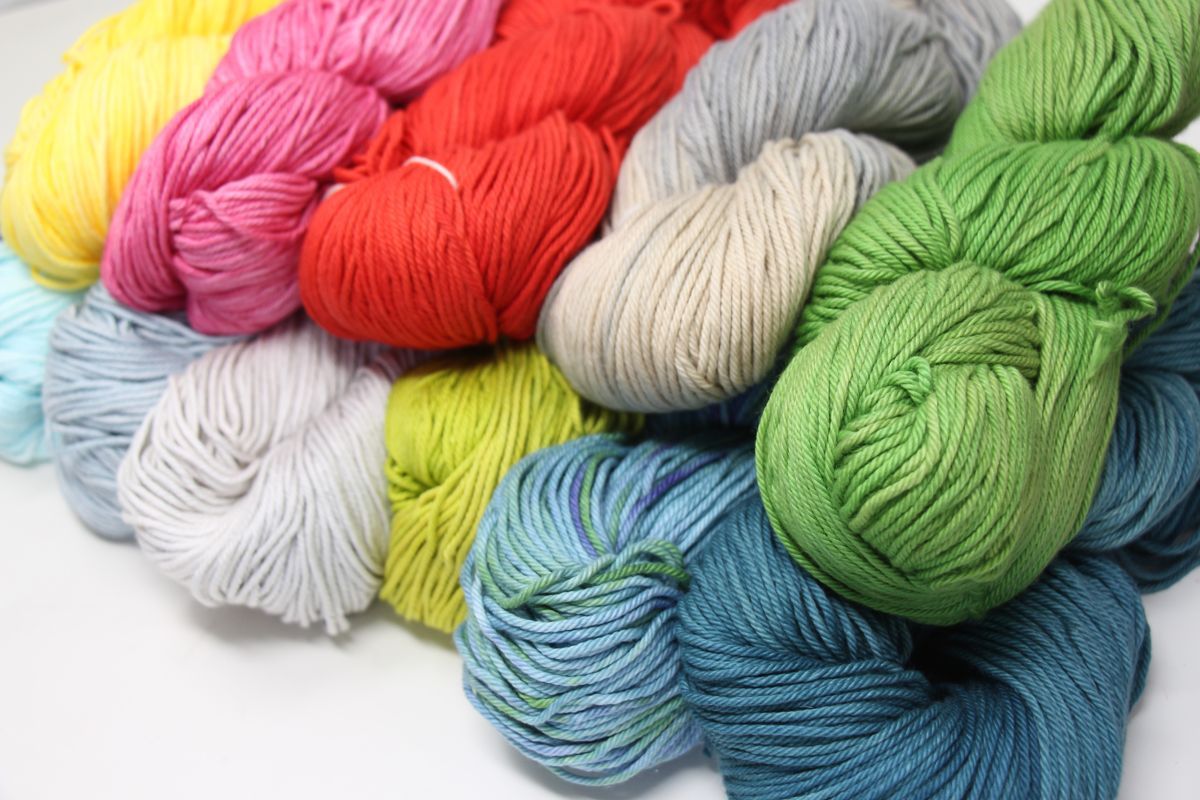
Proper yarn storage protects your investment and preserves the beauty, texture, and structural integrity of every skein in your stash. Whether you collect hand-dyed luxury fibers or maintain a working inventory of wool, cotton, and blends, how you store yarn directly determines whether it remains vibrant and usable for years or suffers from fading, pilling, pest damage, and fiber degradation. Understanding the environmental threats and physical stressors that harm yarn empowers you to build a storage system that safeguards natural crimp, dye saturation, and the tactile qualities that make each fiber special.
Many fiber enthusiasts unknowingly shorten yarn lifespan by storing skeins in areas with fluctuating temperatures, excessive humidity, or prolonged light exposure. Attics bake delicate fibers during summer months, basements trap moisture that breeds mildew, and transparent bins left near windows invite UV rays that bleach color and weaken protein-based fibers. Compression under heavy stacks crushes loft, while improper containers trap condensation or allow moths and carpet beetles to infiltrate your collection. Each of these hazards is preventable once you recognize the specific vulnerabilities of animal and plant fibers.
This guide delivers actionable strategies rooted in textile science and decades of collective artisan experience. You will learn to match storage containers to fiber type, control temperature and humidity within safe ranges, organize your stash to minimize handling damage, and implement pest prevention protocols that avoid harsh chemicals. By applying these expert methods, you ensure that every skein—from everyday worsted wool to rare hand-painted silk—remains ready for your next project with its original softness, color depth, and strength fully intact.
Store Yarn Properly to Extend Fiber Life and Color Integrity
Your investment in quality fibers deserves protection from the moment you bring them home. Improper storage can transform vibrant, resilient yarn into faded, weakened fiber in a matter of months, robbing you of both money and creative potential. Understanding the threats to your stash and recognizing damage early ensures every skein remains ready for your next project.
Common hazards that shorten yarn lifespan: moisture, heat, light, pests, and compression
Moisture ranks as the single most destructive force for stored yarn, encouraging mildew growth that leaves protein fibers brittle and plant fibers permanently stained. Heat accelerates fiber degradation by breaking down the molecular structure of wool and silk, while also creating ideal breeding conditions for moths and carpet beetles. Direct sunlight causes irreversible color fading in hand-dyed yarns, often within weeks of exposure, and ultraviolet rays weaken the fiber itself by breaking down its cellular bonds.
Textile pests pose a constant threat to animal fibers, with moth larvae capable of destroying an entire sweater's worth of wool in under two months. Compression damage occurs gradually when heavy bins crush delicate fibers beneath, stretching yarn beyond recovery and creating permanent indentations that resist blocking. Even moderate pressure sustained over months can alter gauge and elasticity, particularly in lofty fibers like mohair and alpaca.
Early warning signs of damage: fading, musty odor, weak spots, webbing, and broken plies
Fading appears first in high-contrast colorways, with vibrant reds and purples losing intensity before pastels show damage. A musty or sour odor signals active mildew or bacteria, requiring immediate intervention before the contamination spreads to adjacent skeins. Inspect stored yarn quarterly by gently pulling a strand between your hands; healthy fiber springs back, while damaged yarn feels limp, stretches excessively, or snaps with minimal tension.
Webbing and tiny holes indicate active moth infestation, often accompanied by granular droppings resembling coarse sand. Broken plies within an otherwise intact skein reveal compression damage or age-related deterioration, particularly at points where rubber bands or tight labels contact the fiber. Address these warning signs immediately by isolating affected yarn, treating the storage area, and assessing whether the fiber remains usable for your intended project.
Create a Stable Environment: Temperature, Humidity, and Light Control
The surrounding climate determines how well your yarn fibers retain color, elasticity, and structural integrity over months or years of storage. Extremes in temperature, moisture, or light exposure accelerate chemical breakdown in both animal and plant fibers, causing brittleness, discoloration, and weak spots that compromise finished projects.
Target ranges that keep yarn safe: cool temps and 40–60% relative humidity
Store yarn in spaces that maintain consistent temperatures between 60 and 75 degrees Fahrenheit, with relative humidity hovering between 40 and 60 percent. These ranges mirror archival conditions used by textile museums to preserve historic fabrics. High humidity above 70 percent invites mildew growth on plant fibers like cotton and linen, while excessive dryness below 30 percent makes wool brittle and prone to breakage. A simple hygrometer—available at hardware stores for under twenty dollars—lets you monitor conditions year-round. Place a small dehumidifier in damp rooms or run a humidifier during dry winter months to stabilize the environment. Avoid rapid temperature swings; moving yarn from a cold garage into a heated room creates condensation that soaks into skeins and encourages mold.
Light protection that prevents fading and brittleness: opaque bins, curtains, and UV barriers
Ultraviolet radiation degrades dye molecules and weakens protein structures in wool and silk, causing irreversible color loss and fiber damage. Store yarn in opaque plastic bins with tight-fitting lids, or wrap skeins in acid-free tissue before placing them in clear containers. If you display yarn on open shelves, hang blackout curtains or install UV-filtering window film to block direct sunlight. Even fluorescent and LED bulbs emit trace UV; reserve well-lit craft rooms for active projects and keep your long-term stash in darker closets or cabinets. Hand-dyed and luxury yarns with low-fastness dyes are especially vulnerable—intense colors like fuchsia and turquoise fade within weeks under bright light.
Places to avoid storing yarn: attics, basements, garages, and sunlit windowsills
Attics experience dramatic seasonal temperature swings—120-degree summer heat followed by near-freezing winter cold—that expand and contract yarn fibers and degrade natural oils in wool. Basements and garages suffer from persistent dampness, floor moisture, and pest access through cracks or vents, making them prime locations for moth infestations and mildew blooms. Windowsills expose yarn to daily UV bombardment and radiant heat that fade colors and weaken fibers within a single season. Choose interior closets, climate-controlled spare rooms, or under-bed storage in living spaces where temperature and humidity remain stable throughout the year.
Choose Protective Containers Without Trapping Moisture
The container you choose determines whether your yarn breathes safely or develops mold, odors, and fiber degradation. The ideal storage vessel balances protection from dust, light, and pests while allowing just enough airflow to prevent moisture buildup that weakens fibers and invites mildew.
Clear polypropylene bins with tight lids vs. breathable cotton canvas totes
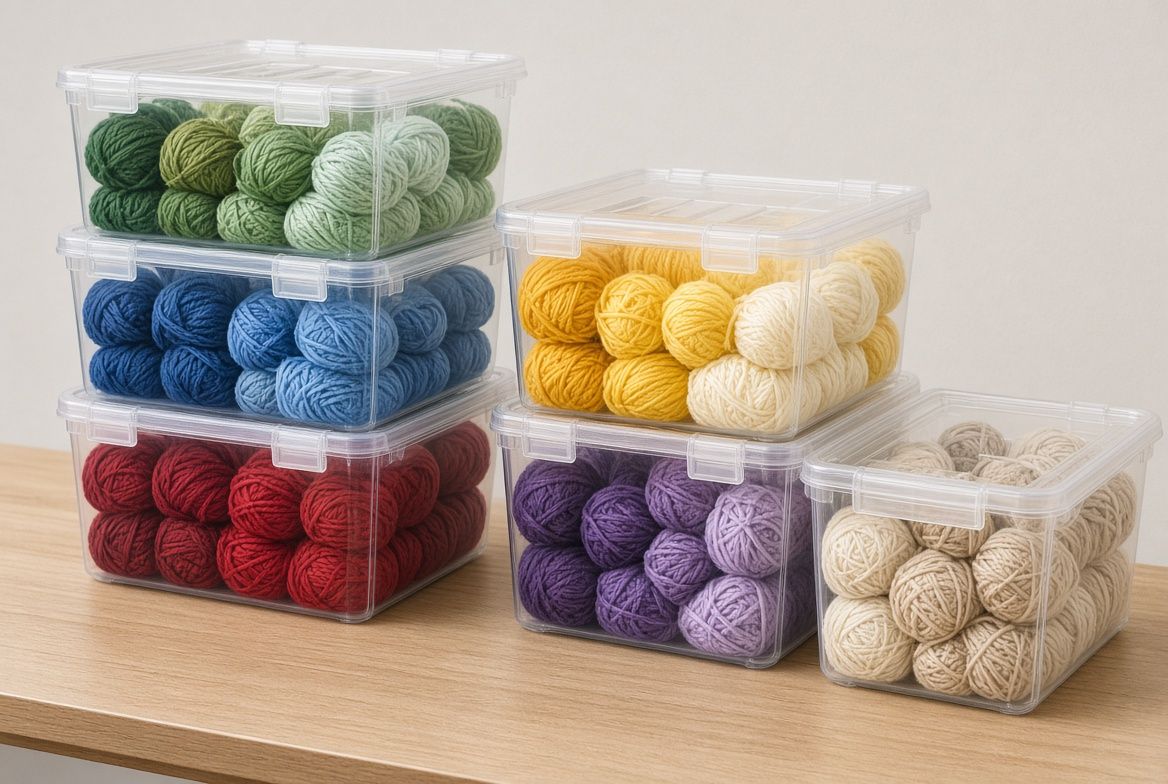
Clear polypropylene bins offer excellent visibility and stack efficiently, making them ideal for long-term storage in climate-controlled spaces. Look for bins with gasket-sealed lids that block dust and pests while keeping light exposure minimal. However, these airtight containers require completely dry yarn and stable humidity levels—any trapped moisture will condense on cool surfaces and saturate your skeins. If your storage area experiences temperature fluctuations, crack the lid slightly or drill a few small ventilation holes in the upper corners.
Breathable cotton canvas totes excel for active stashes in stable indoor environments. The natural fabric allows moisture vapor to escape, reducing condensation risk while still protecting yarn from direct light and handling damage. Canvas works particularly well for work-in-progress storage and frequently accessed skeins. The trade-off is less pest protection, so reserve canvas for spaces you monitor regularly and avoid using it in basements or garages where moths and silverfish are common.
How to use zip-top bags, acid-free tissue, and silica gel packets safely
Zip-top plastic bags serve as excellent secondary barriers inside bins or on open shelves. Seal individual skeins or color families together to contain fiber shed and preserve dye-lot groupings. Leave bags slightly open or poke a few needle holes near the top to allow air exchange—completely sealed bags trap humidity from temperature changes. Wrap delicate hand-dyed or luxury fibers in acid-free tissue before bagging to cushion compression and prevent color transfer between adjacent skeins.
Silica gel packets absorb excess moisture in enclosed containers, but use them judiciously. Place one or two small packets per bin in humid climates, replacing them when the indicator beads change color. Overuse desiccates natural fibers, making wool brittle and prone to breakage. Never let silica gel contact yarn directly—keep packets in a corner or taped to the bin lid.
Why vacuum-sealed bags can deform fibers and encourage condensation
Vacuum-sealed storage compresses yarn into dense blocks that crush loft, flatten plies, and create permanent kinks in delicate fibers like mohair and silk. The extreme pressure also forces air out of the fiber structure, weakening elasticity in wool and distorting stitch definition when you later knit or crochet. When you open a vacuum bag in a different season, rapid temperature equalization causes condensation to form directly on cold yarn surfaces, soaking fibers before you notice. Reserve vacuum sealing only for short-term transport of acrylic or superwash yarns, and allow sealed bags to reach room temperature for several hours before opening.
Prep Each Skein Before Stashing to Prevent Tension and Tangles
Before placing yarn into storage, take a few minutes to prepare each skein properly. This upfront effort protects fiber structure, preserves color information, and prevents contamination that could spread through your entire stash. Proper preparation ensures that when you reach for a project months or even years later, your yarn emerges in the same pristine condition it entered.
Store hanks or loose cakes—not tight balls—to avoid stretching yarn
Yarn stored under constant tension will develop permanent stretch and lose elasticity over time. Tight center-pull balls squeeze the innermost wraps, distorting twist and creating weak spots that can snap during knitting. Instead, store yarn as loose hanks twisted into figure-eights, or wind skeins into relaxed cakes with minimal tension. If you prefer balls, wind them loosely enough that the outer layer doesn't compress the core. Hand-painted and luxury fibers are especially vulnerable—tight winding can redistribute dyes and flatten delicate textures like halos or plies.
For hanks, secure them with figure-eight ties using smooth cotton yarn or ribbon rather than rubber bands, which degrade and leave indentations. If you wind cakes for storage, aim for a diameter of at least three inches and avoid cranking your ball winder tightly. The goal is to maintain the yarn's natural structure so every stitch performs as the mill intended.
Keep labels, dye lots, and yardage attached with acid-free tags
Ball bands contain critical information—fiber content, care instructions, weight, yardage, and dye lot—that becomes essential when matching skeins for a project or troubleshooting after storage. Attach original labels directly to each skein using safety pins with nylon coil coating or tie them through hank loops with undyed cotton string. For wound cakes, tuck labels inside the center hollow or fasten them around the outside with a loose band.
If labels are bulky or you're consolidating multiple skeins, transfer key details onto acid-free cardstock tags using archival pens. Record the colorway name, dye lot number, yardage, and purchase date—information that helps you track age and coordinate future orders. Acid-free materials prevent chemical migration that can yellow or weaken natural fibers over decades of contact.
Quarantine and inspect new yarn to block moths and contaminants
New yarn can harbor moth eggs, larvae, dust, or warehouse odors that threaten your existing collection. Before integrating fresh skeins into your stash, isolate them in sealed containers for two to four weeks and inspect thoroughly. Look for tiny holes, webbing, sawdust-like frass, or live insects. Run your hands over each skein to feel for weak spots or unexplained debris.
For added security, freeze new yarn at 0°F for 72 hours to kill any eggs or larvae, then let it return to room temperature slowly inside sealed bags to prevent condensation. This quarantine protocol is especially important for animal fibers like wool, alpaca, and mohair purchased from estate sales, thrift shops, or unfamiliar suppliers. Clean, inspected yarn protects your entire stash from infestations that can destroy months of carefully curated inventory.
Fiber-Specific Storage: Wool, Cotton, Linen, Silk, and Blends
Each fiber type responds differently to environmental conditions, compression, and time. Tailoring your storage approach to the specific characteristics of wool, cotton, linen, silk, and blends prevents damage and preserves the qualities that make each yarn special.
Animal fibers (wool, alpaca): protect from moths, avoid heat and agitation
Wool, alpaca, cashmere, and other animal fibers are protein-based, making them prime targets for clothes moths and carpet beetles. Store these yarns in sealed containers with cedar rings or lavender sachets to deter pests, and inspect them every few months for webbing or larvae. Avoid heat, which can cause felting or permanent damage to the fiber structure. Never store animal fibers in warm attics or near radiators. Keep skeins loose rather than tightly wound to prevent agitation that mimics the friction used in felting. If you notice a musty smell, air the yarn outdoors in indirect sunlight before returning it to clean storage.
Plant fibers (cotton, linen): prevent mildew and permanent creasing
Cotton and linen are cellulose-based and highly absorbent, making them vulnerable to mildew in damp conditions. Store plant fibers in low-humidity environments with good airflow, and avoid basements or bathrooms. Use breathable cotton storage bags or bins with ventilation holes rather than airtight containers that trap moisture. Because plant fibers can develop permanent creases if stored folded under weight, keep cotton and linen skeins upright or loosely coiled. If mildew appears, discard affected yarn immediately to prevent spores from spreading to your entire stash.
Luxury and hand-dyed yarns: minimize compression and temperature swings
Hand-dyed and small-batch yarns often feature delicate dye processes that can bleed or fade with temperature fluctuations or UV exposure. Store these premium fibers in opaque containers away from direct light and heat sources. Avoid stacking heavy bins on top of hand-painted skeins, as compression can cause dye migration or flatten texture. Keep luxury blends containing silk or mohair in stable, moderate temperatures to preserve their luster and prevent brittle fibers. Label containers clearly with dye lot and colorway information so you can rotate stock and use older hanks first.
Organize Your Stash to Reduce Handling and Damage
A well-organized yarn collection minimizes unnecessary handling, which prevents snagging, fiber compression, and accidental damage. Strategic organization also helps you locate the exact skein you need without excavating your entire stash, preserving fiber integrity while saving time on every project.
Sort by weight, fiber, and project to limit rummaging and snags
Group your yarn first by weight—separating lace, fingering, sport, worsted, and bulky yarns into dedicated bins or shelves. Within each weight category, create subcategories by fiber type: wool and alpaca together, cottons and linens in another section, and luxury hand-dyed skeins in their own protected zone. This layered sorting system lets you find candidates for a new project in seconds without disturbing unrelated yarns. For work-in-progress inventory, designate a separate quick-access area with clear labels noting the pattern name and deadline, ensuring you never mix active project yarn with your long-term reserves.
Shelf and bin placement that avoids crushing and floor moisture
Position heavier yarn weights on lower shelves and lighter lace or fingering yarns on upper levels to prevent crushing delicate fibers under the weight of bulkier skeins. Never store bins directly on concrete floors or against exterior walls where moisture can wick upward or condensation can form. Elevate all containers at least six inches using wire shelving racks or wooden pallets, and leave a two-inch gap between bins and walls to maintain airflow. Stack bins no more than three high to avoid compression in bottom containers and to keep the top shelf within comfortable reach.
Simple inventory systems for dye-lot control and first-in, first-out rotation
Track your collection with a basic spreadsheet or mobile app that records colorway, dye lot, yardage, and purchase date for each entry. Note the physical location—shelf number or bin label—so you can retrieve exact dye lots when a project demands multiple skeins. Adopt a first-in, first-out rotation by placing new acquisitions behind older stock and marking purchase dates on labels with acid-free pens. This habit ensures older yarn gets used before it fades or weakens and prevents the common problem of buying duplicates you already own buried three bins deep.
Proven Pest Prevention Without Harsh Chemicals
Moths and carpet beetles pose the greatest threat to stored yarn, especially animal fibers like wool, alpaca, and cashmere. These pests are drawn to protein-based materials and can destroy an entire stash in weeks if left unchecked. Fortunately, you can protect your yarn using simple, chemical-free methods that safeguard both your fibers and your health. Prevention starts with habitat control and continues with strategic deterrents and thermal protocols that eliminate larvae before they hatch.
Clean storage zones: vacuum, dust, and remove food and pet hair regularly
Pests thrive in undisturbed, debris-filled environments. Vacuum your storage area every two to four weeks, paying close attention to corners, baseboards, and shelving edges where larvae hide. Use a crevice tool to reach behind bins and furniture. Wipe down shelves with a damp microfiber cloth to capture dust and residual fibers that attract moths. Remove any food crumbs, pet hair, or lint immediately—these organic materials signal a hospitable environment to egg-laying adults. If you store yarn in closets shared with clothing, inspect wool garments regularly and avoid placing dirty laundry near your stash, as body oils and skin cells attract pests.
Cedar and lavender as deterrents: how to use them and their limitations
Cedar blocks, rings, or sachets emit natural oils that repel adult moths but do not kill eggs or larvae. For cedar to remain effective, sand it lightly every six months to refresh the aromatic surface. Place one cedar block per medium bin or hang cedar rings on closet rods near yarn shelves. Lavender sachets work similarly; tuck dried lavender buds in breathable cotton pouches between skeins. Both options offer pleasant fragrance and mild deterrence but should never replace vigilant cleaning or quarantine protocols. Neither cedar nor lavender provides complete protection—they reduce the likelihood of infestation but cannot eliminate an active problem.
Freezing protocol to eliminate moth eggs and larvae safely
Freezing kills all life stages of moths and beetles without damaging yarn. Seal each skein in a zip-top freezer bag, pressing out excess air. Place bags flat in a freezer set to 0°F or below for a minimum of 72 hours. After freezing, let the yarn return to room temperature inside the sealed bag to prevent condensation from forming on the fibers. Once thawed, inspect each skein for webbing or holes before returning it to storage. Repeat this process with any newly acquired yarn—especially secondhand or estate skeins—before introducing it to your main stash. This quarantine freeze is your most reliable, non-toxic defense against hidden pest populations.
Match Storage Methods to Your Timeline: Short-Term vs. Long-Term
Your yarn storage strategy should shift based on how soon you plan to use each skein. Active projects demand frequent access and minimal handling hassle, while long-term reserves require protective measures that guard against years of environmental exposure. Matching your method to your timeline prevents unnecessary wear and keeps every fiber ready when inspiration strikes.
Work-in-progress storage: breathable project bags and quick-access bins
For yarn you'll use within weeks or months, prioritize convenience and airflow over heavy-duty protection. Breathable project bags made from cotton canvas or mesh allow air circulation while keeping balls or cakes clean and contained. Place these bags in open bins or shallow drawers near your workspace so you can grab a skein without disturbing your entire stash. Avoid sealing active projects in airtight plastic—trapped body oils from handling or slight humidity can lead to musty odors over just a few weeks. If you're working with hand-dyed or luxury fibers, slip each project into its own cotton drawstring bag to prevent color transfer and fiber abrasion when you toss supplies into your knitting tote.
Quick-access bins with loose lids work well on shelves at eye level, letting you see inventory at a glance without lifting heavy containers. Keep labels and yardage notes clipped to the skein with a safety pin or tucked inside the bag so you never lose critical dye-lot information mid-project.
Long-term archiving: archival boxes, acid-free barriers, and climate stability
Yarn destined for storage beyond six months needs archival-grade protection. Use acid-free cardboard boxes or rigid polypropylene bins with tight-sealing lids to shield fibers from light, dust, and humidity fluctuations. Wrap each skein or hank in acid-free tissue paper to prevent direct contact with plastic and cushion against compression. Place a silica gel packet in each container to absorb residual moisture, checking and replacing it annually. Store these bins in a climate-controlled interior closet or spare room where temperature stays between 60–70°F and humidity hovers around 40–60 percent year-round. Avoid attics, basements, and garages where seasonal swings can weaken fibers and invite mildew or pest activity over time.
Troubleshoot Common Storage Issues Before They Spread
Even with careful planning, storage problems can emerge over time. Recognizing and addressing these issues quickly prevents minor annoyances from ruining entire skeins or spreading through your collection. The following solutions target the most common yarn storage challenges without requiring expensive treatments or harsh chemicals.
Deodorize musty yarn with airflow, baking soda, or charcoal—not perfumes
Musty odors signal trapped moisture or poor ventilation. Remove affected skeins from storage and air them outdoors on a dry, breezy day away from direct sunlight for four to six hours. For persistent smells, place skeins in an open cardboard box with an uncovered bowl of baking soda or activated charcoal pellets and leave undisturbed for 48 to 72 hours. The absorbent materials neutralize odor molecules without adding fragrance that can transfer to finished projects or irritate sensitive skin.
Avoid scented dryer sheets, fabric sprays, or essential oils. These masking agents coat fibers with residues that may attract dirt, alter dye uptake in future projects, or cause allergic reactions during wear. If airflow and absorbents fail to eliminate the smell, the yarn may have developed mildew and should be inspected for discoloration or weakness before use.
Relax kinked or compressed yarn by reskeining and gentle steaming
Kinked or flat spots appear when yarn sits wound too tightly or crushed under weight. Unwind the skein completely and rewind it loosely around a niddy-noddy or the back of a chair, securing the hank with figure-eight ties. Hold the hank 12 inches above a kettle of simmering water or use a handheld garment steamer, allowing steam to penetrate the fibers for 30 to 60 seconds without direct contact. Hang the damp hank with a light weight—such as a sock filled with dried beans—to encourage the plies to relax and realign naturally as they dry.
Address sticky or oily skeins from spinning oils or heat exposure
Sticky residues occur when lanolin-rich yarns soften in heat or when spinning oils degrade. For protein fibers, prepare a cool-water bath with a few drops of wool wash or pH-neutral dish soap. Submerge the skein gently, press without agitation, and rinse in water of the same temperature. Roll in a towel to remove excess moisture, then air-dry flat on a mesh rack. For plant fibers like cotton or linen, a lukewarm soak with a small amount of detergent followed by thorough rinsing restores a clean, non-tacky surface without compromising fiber strength.
FAQs: How to Store Yarn Properly for Different Homes and Stashes
Is it safe to store yarn in a garage or basement if I use bins?
Garages and basements rarely provide stable conditions, even with sealed bins. Both spaces experience dramatic temperature swings, humidity spikes during seasonal changes, and increased pest traffic. Concrete floors in basements can wick moisture upward, creating condensation inside bins, while garages expose yarn to extreme heat in summer and freezing cold in winter. If you have no alternative, elevate bins on wire shelving at least six inches off the floor, install a dehumidifier to maintain 40–60% relative humidity year-round, and inspect your stash monthly for musty odors, webbing, or weak fibers. Store only acrylic or cotton in these marginal zones and keep irreplaceable hand-dyed and luxury yarns in climate-controlled living areas.
Can I keep yarn in plastic bags long-term without damage?
Standard zip-top plastic bags trap moisture and body oils, creating an environment where mildew thrives and fibers develop sour odors. For short-term transport or quarantine, plastic is acceptable, but for storage beyond a few weeks, switch to breathable alternatives like cotton drawstring bags or canvas totes. If you must use plastic, add a small silica gel packet and leave the seal slightly open to permit airflow. Never vacuum-seal animal fibers, as compression crushes the crimp and deforms loft permanently.
Should I cake all my yarn before putting it away?
Store yarn in its original hank or as a loose, low-tension cake to preserve elasticity and twist. Tight cakes or balls stretch fibers under constant tension, leading to uneven gauge and weak spots when you knit. If you've purchased a hank and prefer cakes for convenience, wind loosely on a ball winder set to its widest diameter and immediately slip the cake off the center post to prevent core compression during long-term storage.
How long can yarn last in storage, and how do I check its condition?
Properly stored yarn remains usable for decades. Animal fibers kept cool, dry, and pest-free in opaque bins show no degradation after twenty years or more. Inspect skeins annually by gently untwisting a small section, checking for color fading, brittle plies, or moth damage. Smell for mustiness and examine labels for yellowing or moisture stains. Rotate your stash twice a year so older dye lots move to the front and you catch issues before they spread.