Summer Knitting with Organic Cotton: Breathable Yarn for Warm Weather
When temperatures soar and humidity clings to every surface, many fiber artists reluctantly set aside their needles and hooks. Yet summer needn't signal the end of your creative pursuits. The key lies in selecting appropriate materials that align with the season's demands while maintaining the luxurious quality serious crafters expect.
Organic cotton yarn emerges as the protagonist in warm-weather crafting, offering breathability and comfort that synthetic alternatives simply cannot replicate. This natural fiber possesses inherent properties that make it ideally suited for sultry afternoons spent crafting on the porch or creating garments destined for tropical vacations.
Understanding Cotton's Superior Breathability
Cotton's molecular structure creates microscopic spaces that facilitate air circulation—a characteristic textile scientists call "moisture vapor transmission." Unlike acrylic or other petroleum-based fibers that trap heat against the skin, cotton filaments wick perspiration away from the body and allow it to evaporate efficiently. This thermoregulation makes cotton the best cotton yarn for summer projects that demand both aesthetics and functionality.
The cellulose composition of cotton fibers absorbs up to twenty-seven times its weight in water. This remarkable hygroscopic capacity means your finished summer cardigan or market tote won't leave you feeling clammy during August errands. The fiber's natural crimp also contributes to its breathable nature, creating subtle air pockets within the yarn structure itself.
Organic Versus Conventional Cotton
Organic cotton cultivation eschews synthetic pesticides, herbicides, and genetically modified organisms. Beyond environmental stewardship, this growing method produces fibers with superior integrity. The absence of chemical processing preserves the cotton's natural oils and wax content, resulting in yarn that feels softer against the skin and maintains its structure through countless washes.
Conventional cotton often undergoes harsh chemical treatments that compromise fiber strength and introduce potential irritants. For artisans creating heirloom-quality pieces or garments for sensitive skin, organic options represent a worthwhile investment in both craft and conscience.
Discovering Premium Cotton Options for Summer Crafting
Navigating the expansive landscape of cotton yarns requires discernment. Not all cotton yarns exhibit equal performance characteristics, and understanding these distinctions elevates your finished work from adequate to exceptional.
Blue Sky Worsted Cotton: A Luxurious Summer Staple
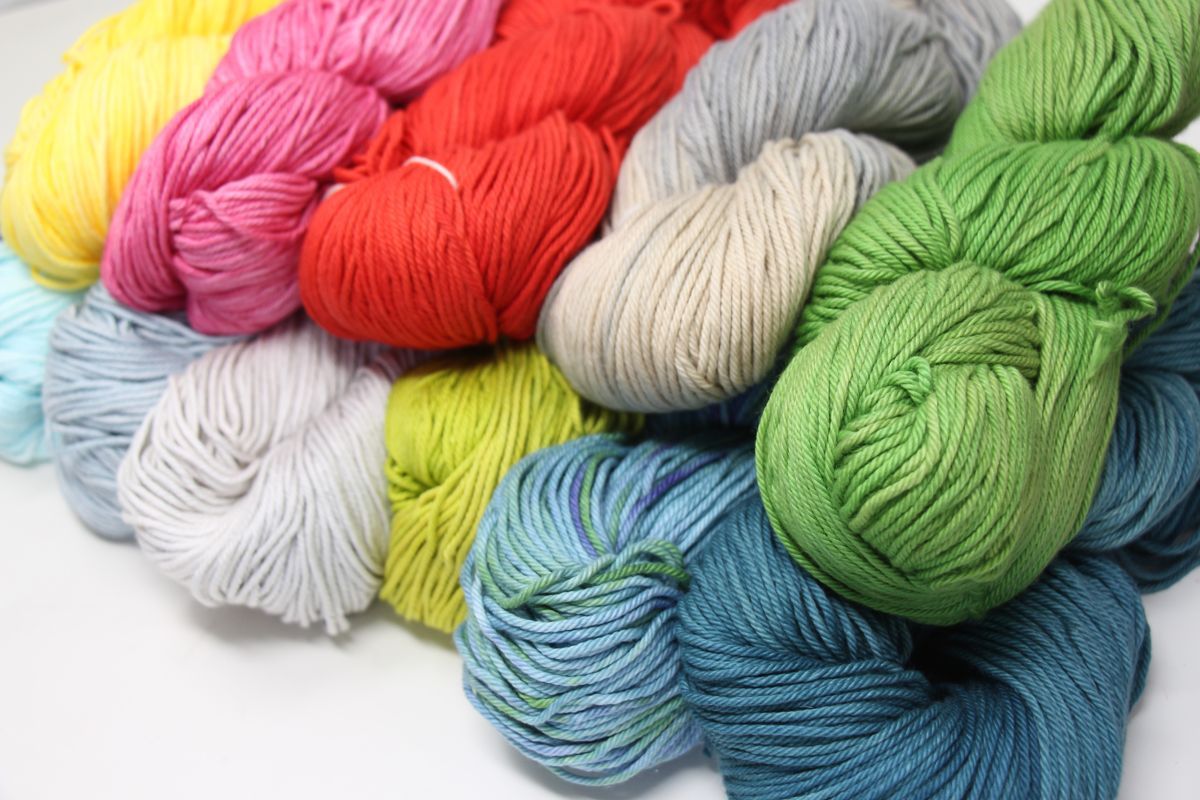
For discerning fiber artisans seeking the best cotton yarn for summer projects, Blue Sky Worsted Cotton Solids represents an exemplary choice. This 100% organically grown cotton delivers exceptional stitch definition while maintaining the breathability essential for warm-weather wearables and accessories.
The worsted weight classification offers versatility across numerous project types—from lightweight sweaters and breezy shrugs to durable dishcloths and absorbent spa cloths. Its tightly spun construction resists splitting during intricate stitch work, allowing complex lace patterns and cables to shine with remarkable clarity. The organic certification ensures you're working with fibers cultivated without harmful chemicals, a consideration that extends care to both your skin and the environment.
This particular yarn excels in projects requiring drape and definition simultaneously. The fiber's natural luster creates subtle sheen that enhances hand-dyed colorways without appearing overly glossy—a balance particularly appreciated in sophisticated summer garments.
Ideal Summer Projects for Cotton Yarn
Cotton's unique properties unlock a constellation of warm-weather possibilities. Strategic project selection maximizes the fiber's strengths while accounting for its distinct characteristics compared to wool or alpaca.
Breathable Garments and Accessories
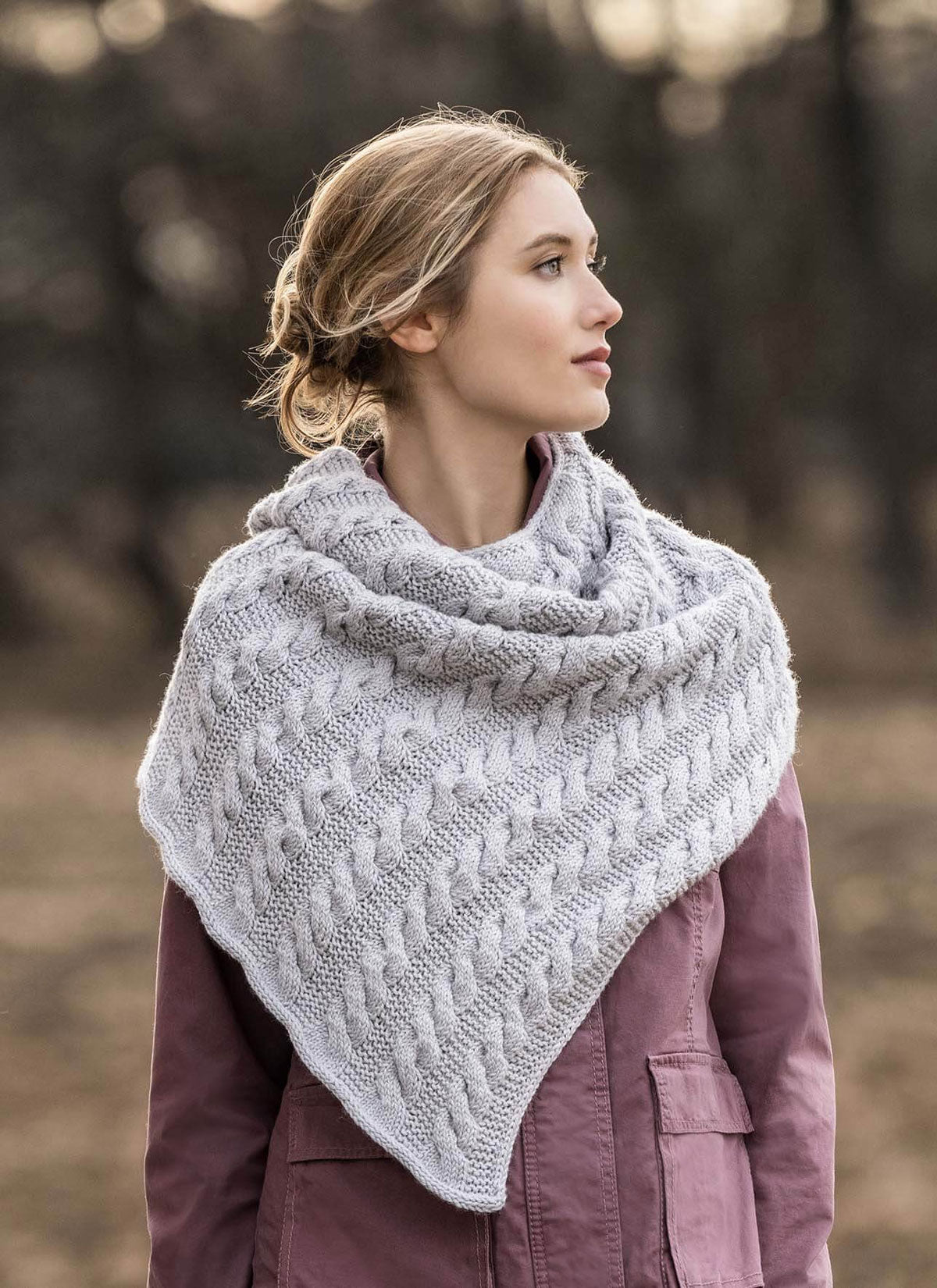
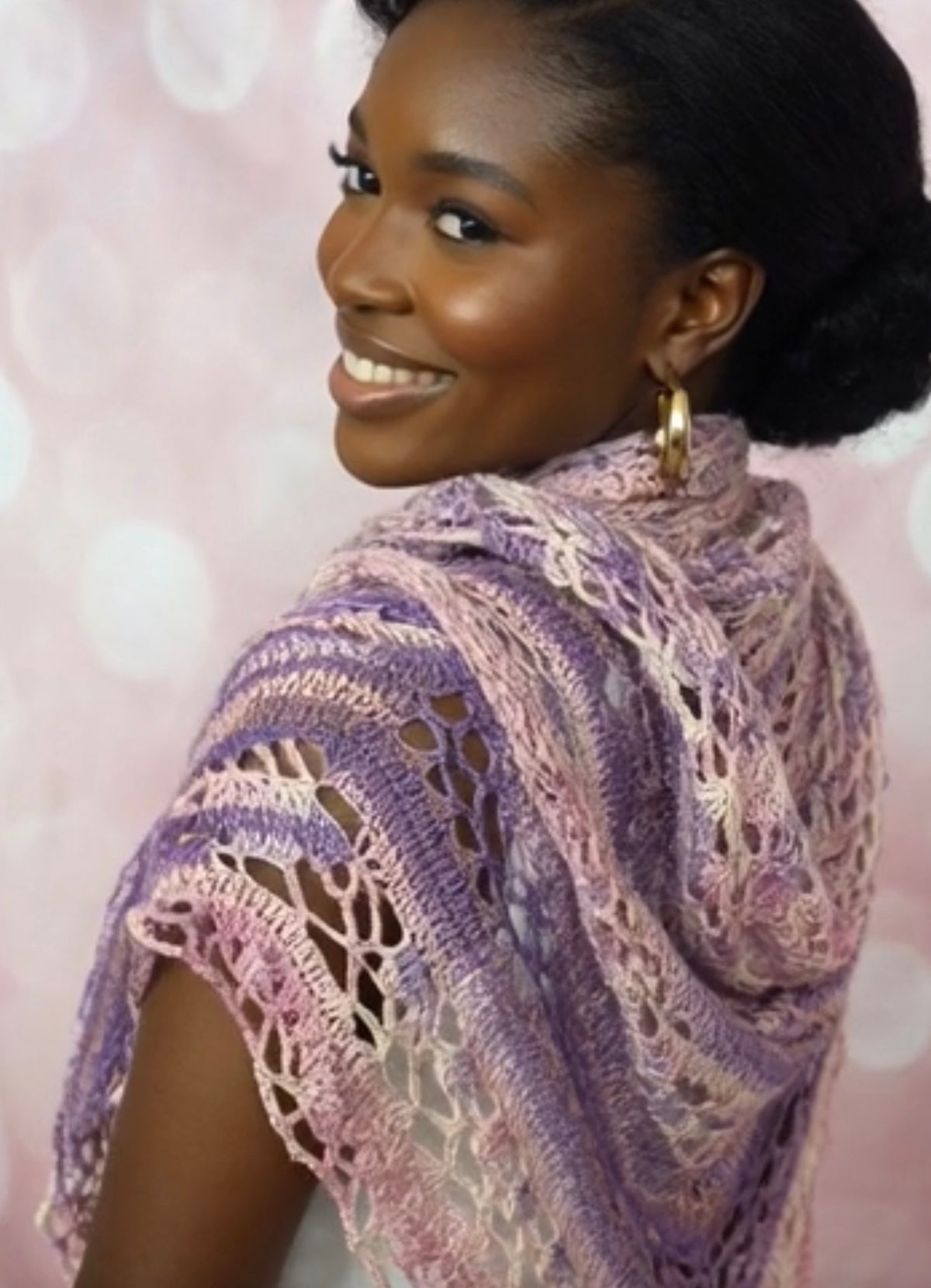
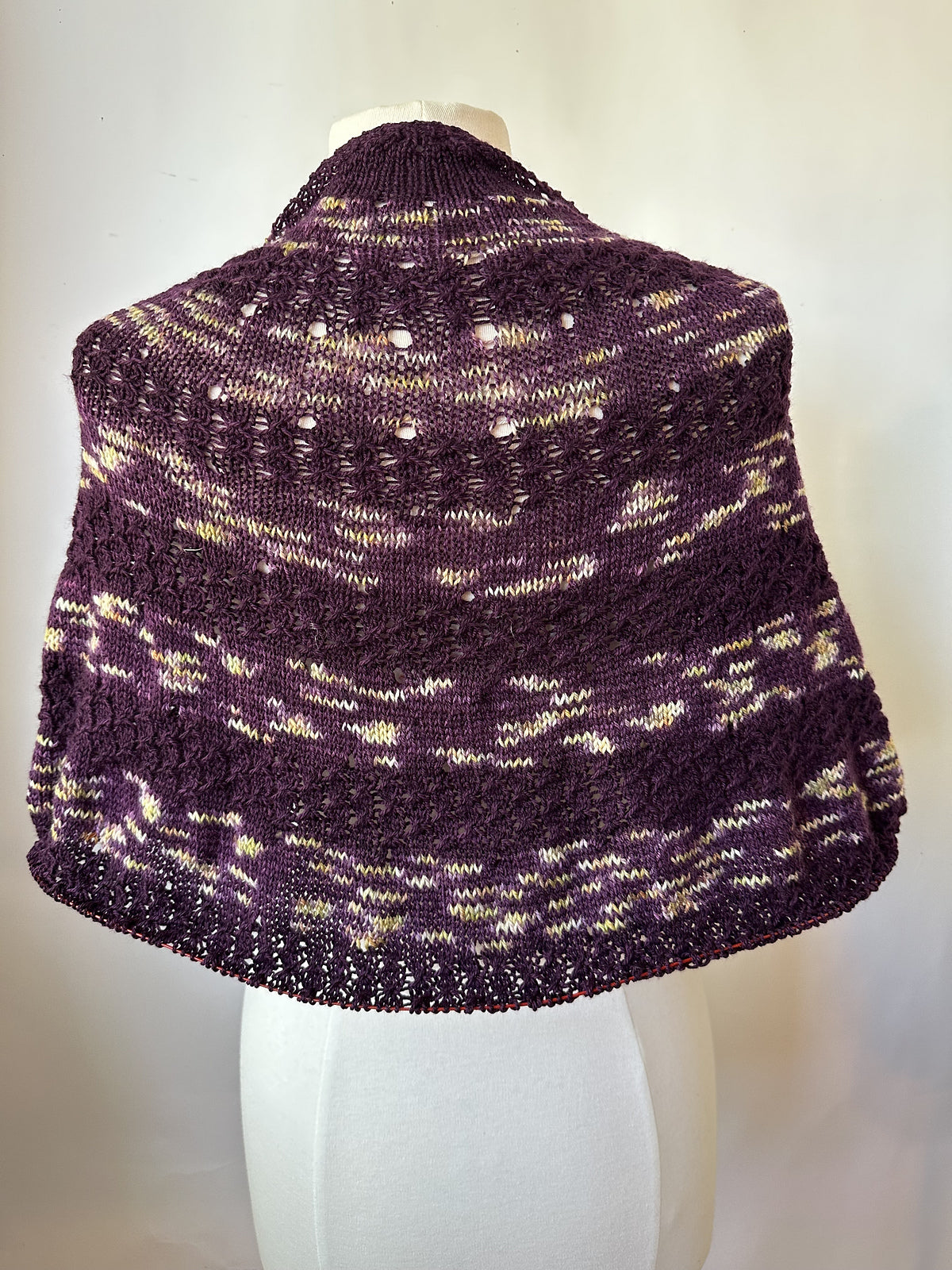
Lightweight cardigans worked in openwork patterns provide coverage without oppressive warmth. Consider botanical lace motifs or geometric eyelet designs that punctuate the fabric with deliberate ventilation. Tank tops featuring intricate stitch patterns showcase cotton's capacity for crisp definition while offering comfort during sweltering afternoons.
Market bags and totes capitalize on cotton's durability and washability—essential attributes for items destined to accompany farmers' market excursions or beach outings. The fiber's strength withstands the weight of produce and groceries without stretching excessively, maintaining structural integrity season after season.
Home Textiles That Welcome Summer
Cotton dishcloths transform mundane kitchen tasks into opportunities for creative expression. Their absorbency and heat resistance make them superior to synthetic alternatives, while their washability ensures hygiene without degradation. Textured stitch patterns enhance scrubbing capability while creating visual interest.
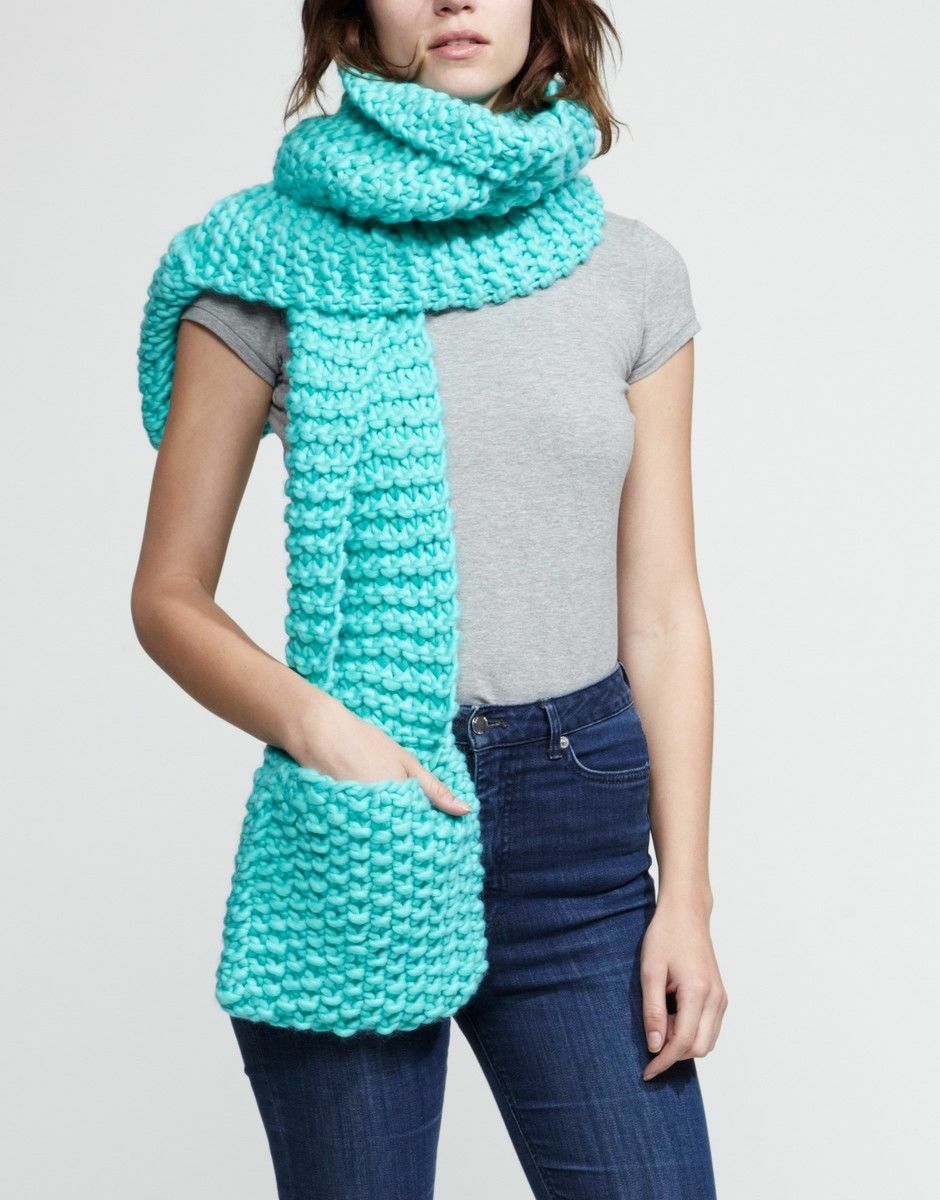
Lightweight throws in cotton provide just enough warmth for air-conditioned spaces without causing overheating. Choose openwork constructions or simple stockinette worked in generous dimensions to drape elegantly across furniture while remaining breathable enough for actual use rather than mere decoration.
Technical Considerations for Cotton Knitting
Cotton's inelasticity presents unique technical challenges that differ markedly from elastic protein fibers. Understanding these characteristics prevents frustration and ensures successful project outcomes.
Gauge and Drape Management
Cotton lacks the memory inherent in wool, meaning it won't bounce back after stretching. This characteristic necessitates careful gauge consideration—swatching becomes absolutely essential rather than optional. Block your gauge swatch and allow it to dry completely before measuring, as cotton often grows significantly during blocking.
Plan for negative ease in garments, as cotton will relax and expand with wear. What fits perfectly off the needles may become oversized after several hours of body heat and movement.
The fiber's density creates substantial drape in finished fabric. While this quality produces elegant flow in shawls and tunics, it can overwhelm structured garments. Compensate by choosing patterns specifically designed for cotton or adjusting needle sizes downward to create firmer fabric.
Working Techniques for Optimal Results
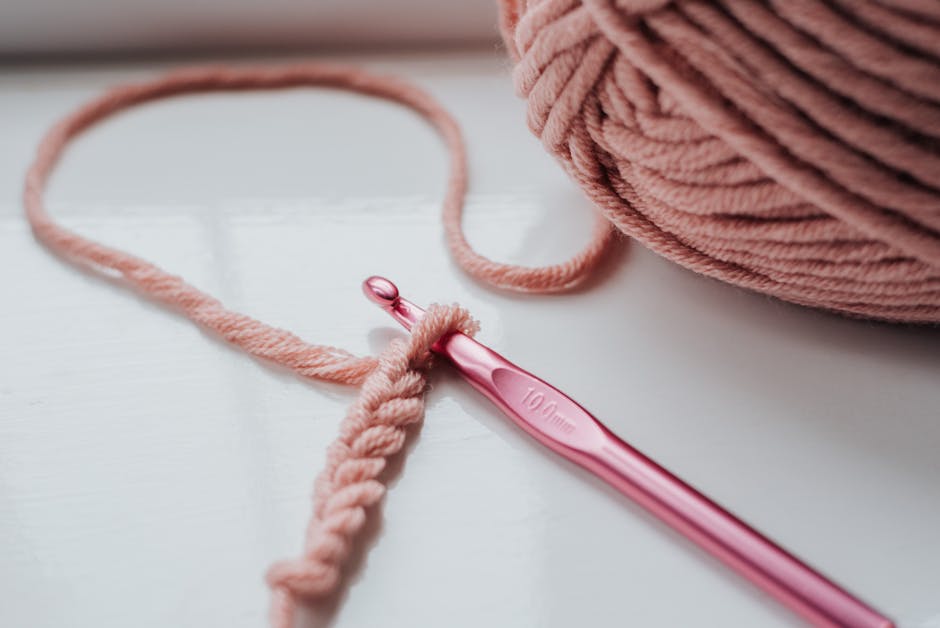
Cotton's smooth texture can make it slippery during active knitting or crochet. Wooden or bamboo needles provide more friction than metal, helping to control stitch tension and prevent dropped stitches. This becomes particularly relevant during complex colorwork or cables where stitch manipulation occurs frequently.
Join new balls of cotton with Russian joins or spit-splicing rather than leaving tails for weaving. Cotton's smooth fibers don't felt together like wool, meaning woven ends may eventually work loose despite meticulous finishing. Secure joining methods prevent future unraveling and maintain fabric integrity.
Caring for Cotton Handmade Items
Cotton's durability extends to its maintenance requirements, though certain practices optimize longevity and appearance.
Washing and Blocking Protocols
Machine washing suits most cotton items beautifully. Use cool or warm water with gentle detergent, avoiding fabric softeners that coat fibers and reduce absorbency. The fiber's cellulose structure withstands agitation that would felt animal fibers, making cotton remarkably low-maintenance.
For initial blocking, immerse the finished piece completely and gently press out excess water. Shape to dimensions on blocking mats or towels, using rust-proof pins to secure lace patterns or edges. Unlike wool, which may be stretched aggressively during blocking, cotton responds better to gentle coaxing into shape.
Storage Considerations
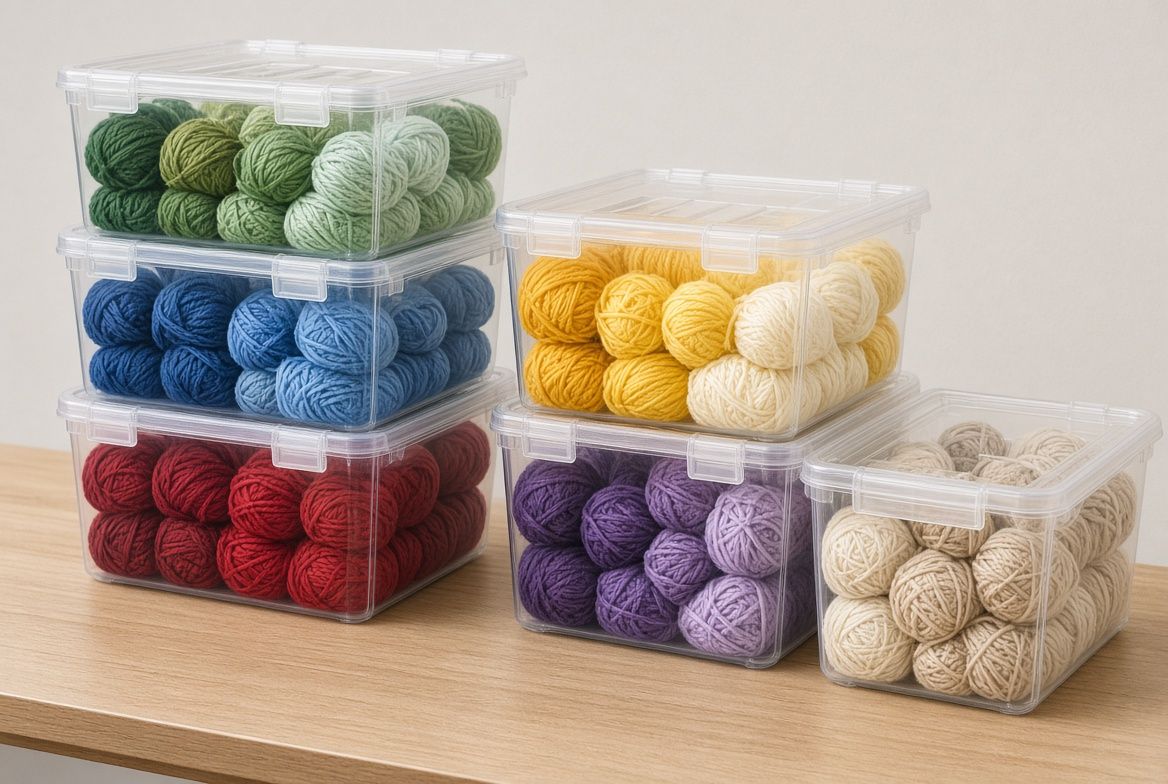
Cotton resists moths and other fiber pests that plague protein-based yarns. This allows more relaxed storage without cedar or lavender sachets. However, ensure storage areas remain dry, as cotton's absorbency makes it susceptible to mildew in damp conditions.
Fold rather than hang cotton garments when possible. The fiber's weight and lack of elasticity cause hanging items to stretch over time, particularly at the shoulders or any point of suspension.
Selecting Cotton for Specific Summer Needs
Different cotton preparations suit distinct project requirements. Understanding these variations allows precise matching of yarn to purpose.
| Cotton Type | Best Applications | Key Characteristics |
|---|---|---|
| Mercerized Cotton | Garments, accessories with sheen | Enhanced luster, increased strength, improved dye uptake |
| Unmercerized Cotton | Dishcloths, casual wear, baby items | Soft hand, matte finish, maximum absorbency |
| Pima/Egyptian Cotton | Luxury garments, heirloom pieces | Extra-long staple, superior softness, exceptional durability |
Color Considerations in Cotton Yarn
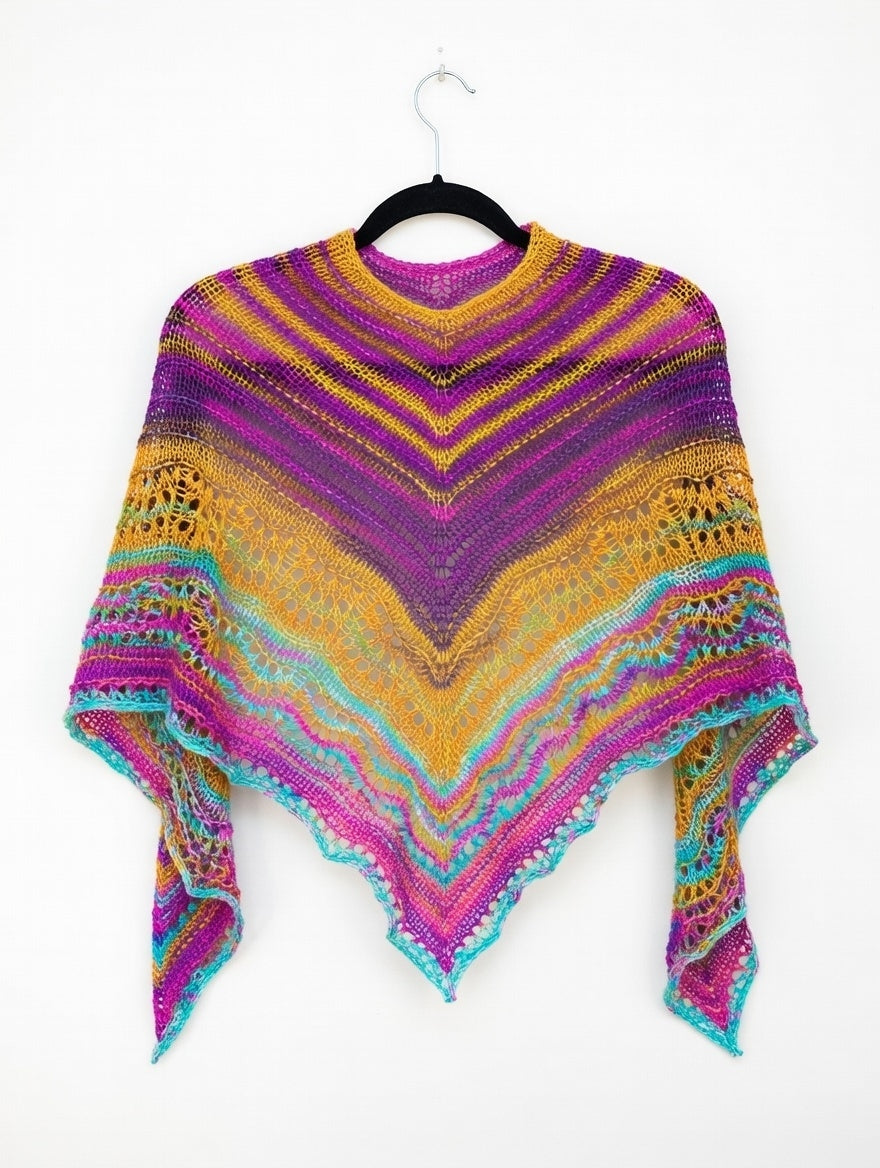
Cotton accepts dye differently than protein fibers, producing colors with distinctive clarity and vibrancy. Light colors reflect heat better than dark shades—a practical consideration for garments worn in direct sunlight. Hand-painted cotton yarns showcase the dyer's artistry with particular precision due to the fiber's excellent dye uptake and color retention.
Elevating Summer Knitting with Premium Materials
Summer crafting need not compromise quality or ambition. With appropriate yarn selection and technique adaptation, warm months become as productive as their cooler counterparts. Organic cotton combines ecological responsibility with practical performance, creating finished objects that serve their owners faithfully while honoring sustainable practices.
The tactile pleasure of working with premium cotton—its smooth glide through fingers, its gradual transformation from skein to fabric—provides meditative respite from summer's intensity. Each stitch becomes an act of creation perfectly suited to the season's languid pace.
Frequently Asked Questions
Does cotton yarn pill like acrylic?
Cotton exhibits minimal pilling compared to synthetic alternatives. Its longer staple fibers and tight twist construction resist the fiber migration that causes unsightly pills. Occasional fuzzing may appear initially but typically resolves after the first washing.
Can I substitute cotton for wool in any pattern?
Substitution requires consideration of the fiber's distinct properties. Patterns designed for wool's elasticity may not translate successfully to cotton's inelastic nature. Look for patterns specifically written for cotton or those featuring simple constructions without complex shaping that relies on fiber memory.
Why does my cotton knitting feel stiff initially?
Cotton often feels somewhat rigid straight from the needles. This stiffness dissipates dramatically after blocking and washing, revealing the fiber's true drape and softness. Always block cotton projects before evaluating the final fabric quality.
How does organic cotton compare in cost to conventional options?
Organic cotton typically commands premium pricing reflecting the additional agricultural labor and certification requirements. For serious artisans investing significant time in summer projects, the incremental cost delivers value through superior fiber quality, environmental stewardship, and finished pieces that remain beautiful through years of use.
Summer knitting with organic cotton transforms the season from a creative hiatus into an opportunity for exploration. Armed with understanding of the fiber's properties and access to premium materials, you'll craft breathable, beautiful pieces that serve you throughout the warmest months and beyond.